
Category: Original Articles

  • Practical Tips for Self-Regulation in Your Garden

    Hey folks —
    I’m 39, I live in the city, and I once planted an entire raised bed with mint. Yeah… I know.

    Fast-forward two summers, and I was in a full-on mint mutiny, yanking fistfuls of fragrant invaders while wondering if I could sneak them into yet another pot of tea before my friends and family staged an intervention.

    Lesson learned: Nature gives feedback. Loudly, if you ignore her the first time.

    Today I want to talk about the 4th permaculture principle: “Apply Self-Regulation and Accept Feedback.” It sounds serious—and honestly, it is—but it’s also deeply practical, surprisingly personal, and totally liberating once you get the hang of it.


    🌱 What This Principle Actually Means

    At its core, this principle is a two-part invitation:

    1. Check your own behavior — especially the stuff that might be unsustainable, extractive, or just plain over-the-top.
    2. Listen when the system (or your neighbor, or your back muscles) tells you something’s not working.

    Permaculture isn’t just about designing gardens or food forests—it’s about designing lives that work. And just like ecosystems, our lives need built-in ways to adjust course when things start getting out of whack.


    🐜 Nature Already Gets This

    Ecosystems are masters of feedback and regulation. Think about it:

    • Too many aphids? Here come the ladybugs.
    • Too much nitrogen? Certain plants will slow their uptake.
    • A tree gets too tall for its root system? It sheds limbs or stops growing.

    There’s no “perfection,” just constant responsiveness.

    Now imagine applying that mindset to your urban garden—or your daily routine.


    🛠️ My Minty Mistake (And Other Human Habits)

    Back to that mint bed. The mint was thriving—too much. The feedback was clear: the soil was too rich, the boundaries too loose, and I wasn’t paying attention. But instead of adjusting early, I let it ride until I was knee-deep in spearmint regret.

    That’s self-regulation in action—or, in my case, in inaction. The land was telling me something. I just wasn’t listening.

    We do the same thing with:

    • Overwatering stressed plants
    • Ignoring burnout signs in ourselves
    • Buying “just one more” garden gadget we don’t actually need

    The key is to build systems (and habits) that notice early and course-correct gently.


    🧭 So… How Do You Actually Do That?

    Here are a few ways I apply this principle as an urban permaculture designer:

    1. The Weekly Walkabout

    Every Sunday, I do a slow walk through my garden. Not to weed, not to fix—just to observe. What’s thriving? What’s not? Any patterns showing up?

    2. The Feedback Journal

    Once a week, I jot down what’s working and what’s not—in the garden and in my life. (Spoiler: sometimes it’s “stop agreeing to three Zoom meetings after 7 p.m.”)

    3. Use Tools That Talk Back

    Install a rain gauge. Use a compost thermometer. Track your energy bills. These little data points whisper truths if you’re willing to listen.

    4. Invite Other Eyes

    Ask a friend or fellow grower to tour your space and tell you what they notice. It’s humbling—and wildly helpful.


    🧠 A Thought Experiment (a.k.a. Homework, But Cool)

    Ask yourself:

    “What’s one thing in my space—or my habits—that keeps giving me the same feedback over and over?”

    Maybe it’s that soggy corner of your yard. Or your overflowing email inbox. Or the cucumbers that never do well in that one shadier spot. (Hint: They’re voting with their leaves.)

    Now: what’s one small self-regulation you can make this week?


    🌻 Final Thoughts From a Former Mint Wrangler

    The beauty of this principle is that it’s not about getting it perfect. It’s about getting better at noticing, and responding with care.

    Self-regulation and feedback aren’t punishments—they’re invitations to co-evolve. To be in real-time dialogue with our landscapes, our communities, and our own inner rhythms.

    And maybe—just maybe—to leave a little less mint and a little more wisdom behind.


    Thanks for reading, permapeeps. If this post sparked something for you, go check out the podcast episode where I unpack all of this (and more) with stories, tips, and a few awkward admissions.

    Stay curious. Stay humble. Stay regenerative.
    — Heather,

    Your urban permaculture pal, aged 39 and still learning as I grow
  • The Power of Diversity in Permaculture: Creating Nature’s All-Star Growth Team

    The Power of Diversity in Permaculture: Creating Nature’s All-Star Growth Team

    Imagine building a soccer team where every player is a goalie. Sure, no one would score against you, but no one would score for you either. In permaculture, much like soccer, every team member has an important role to play. For nature, diversity isn’t just helpful — it’s crucial. This concept of species diversity is one of the core pillars that make permaculture ecosystems not just survive but thrive.

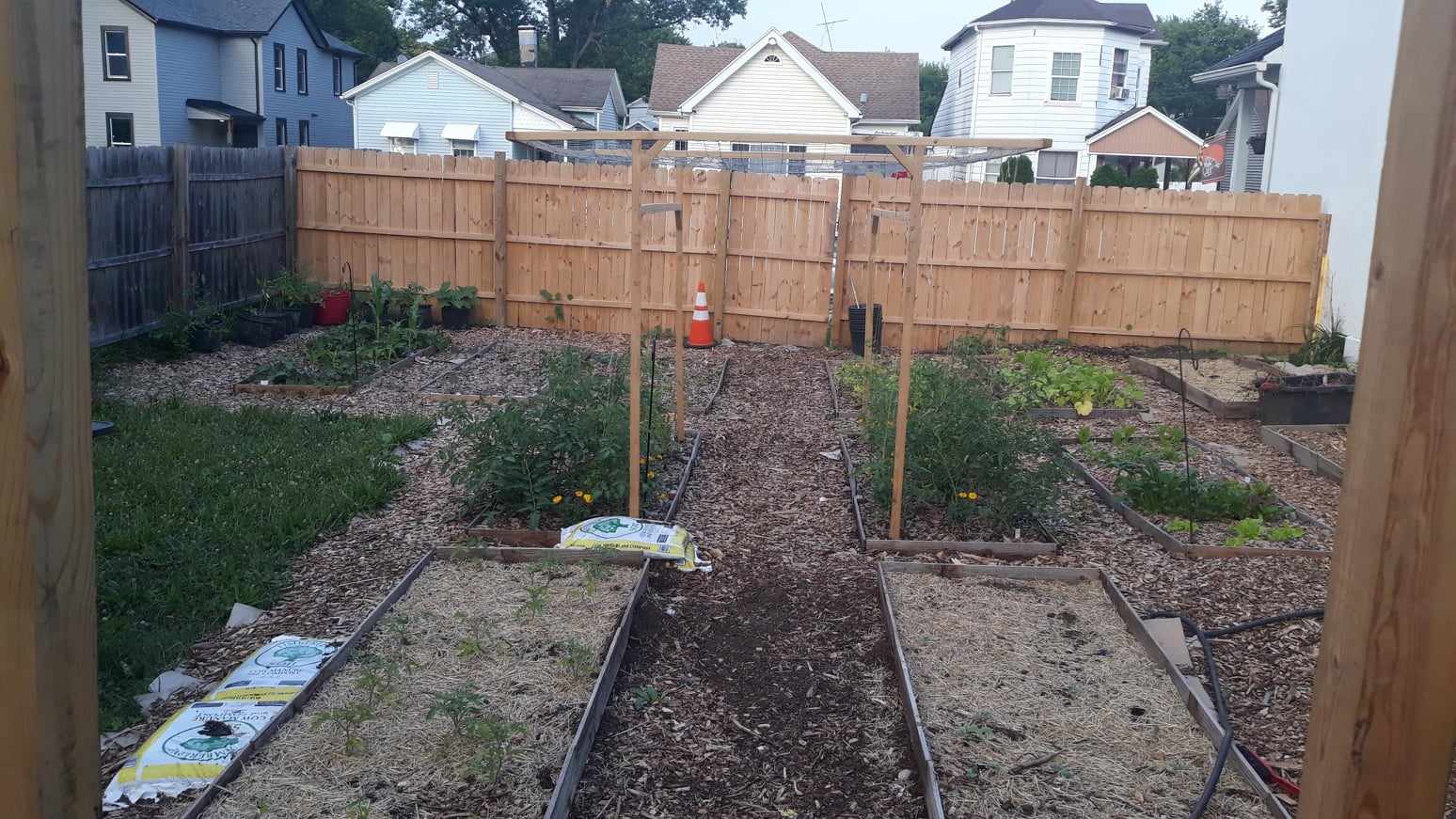
    2022 View of our annual garden with the beginnings of species diversity.
    This was the beginning of our annual garden in 2022. Notice the marigolds with tomatoes? We have added so much diversity since then!

    Why Species Diversity Matters

    Permaculture systems mimic natural ecosystems, and in natural ecosystems, no one plant (or animal) does all the heavy lifting. Different species play unique roles that together create a balanced, resilient environment. Diversity is what keeps things humming along efficiently, no matter what curveballs nature throws.

    Here are some key benefits species diversity brings to permaculture:

    1. Pest Control: Diverse plants attract diverse insects, and that’s a good thing. Predatory insects keep pest populations in check. For instance, ladybugs feast on aphids, and parasitic wasps target caterpillars. Monocultures (single-crop systems) act like an all-you-can-eat buffet for pests. But in diverse systems, pests have a harder time gaining the upper hand. The more variety in any growing area, the less pest pressure you will find! I go into further explanation in Season 1 Episode 8.
    2. Improved Soil Health: Different plants interact with soil in unique ways. Legumes like clover, beans, and peas fix nitrogen, while deep-rooted plants like comfrey and dandelion mine nutrients from deep in the soil. Together, they cycle nutrients efficiently, improving fertility and structure. Planting diversity has tremendously helped us improve our soil while the food forest is growing and maturing. Learn more about soil types in Season 1 Episode 29 of our podcast.
    3. Resilience to Disease: Plant diseases often spread rapidly in monocultures because pathogens encounter the same susceptible host over and over. Diverse plantings break this cycle, limiting the spread of disease and minimizing crop loss. This is how we are able to avoid many of the common diseases that other gardeners face.
    4. Microclimate Management: Tall trees provide shade for delicate undergrowth; shrubs protect wind-sensitive plants; ground covers stabilize the soil. A mix of plant heights, leaf structures, and root depths creates a dynamic environment that buffers extreme conditions. By planting things very meticulously in the beginning, I am able to avoid having additional work later down the road. A perfect example of this is that you will never find us covering plants with shade cloth. Anything that requires partial shade simply gets planted below something that will provide natural shade.
    5. Pollination Power: Flowering plants that bloom throughout the year keep pollinators like bees and butterflies fed and active. This benefits the entire ecosystem and improves fruit and seed production. Plus, lets be honest… seeing loads of beautiful butterflies, hummingbirds, and other beautiful creatures just makes the growing experience even better!

    Designing for Diversity

    Permaculture design encourages diversity through thoughtful plant selection, guild planting, and strategic layering. Here’s how these principles come to life:

    1. Guild Planting: Think of a guild as a well-orchestrated band. Each plant has a role: some fix nitrogen, some repel pests, and some provide shade or mulch. A classic example is the “Three Sisters” system: corn provides structure for climbing beans, beans fix nitrogen in the soil, and squash sprawls along the ground to suppress weeds and maintain soil moisture.
    2. Polycultures: Instead of planting neat rows of the same crop, permaculture gardens combine multiple species. For instance, planting basil among tomatoes repels pests, while marigolds deter nematodes. The result? Healthier plants and tastier tomatoes! Check out this fantastic resource for planning your companion planting this year!
    3. Succession Planting: In diverse systems, plants mature at different rates. Fast-growing radishes can be sown among slower crops like carrots or onions. The radishes are harvested early, leaving space for the slower plants to expand. This allows you to grow more food in the same space while the soil is never left bare. It is important to mention that when succession planting, make sure to top dress your space with some good quality compost after you harvest. This allows the soil to be “recharged” and ready for the next round of crops to be sown.

    Real-Life Example: Regenerating Clay Soil with Diversity

    Clay soil can be a challenge — it’s dense, compacts easily, and often struggles with drainage. Here in our Ohio garden, our native soil is almost entirely hard clay soil with little nutrition. But with strategic planting, it’s possible to unlock its potential. In fact, our property is a prime example of these practices working!

    • Deep-rooted plants like daikon radish or chicory break up compacted soil, improving aeration.
    • Nitrogen-fixing species like vetch or clover boost fertility.
    • Mulch providers such as comfrey improve soil structure when cut and laid as mulch.

    By combining these species, you create a diverse root system that opens up pathways for air and water while feeding beneficial fungi and microbes. Over time, this unlocks the clay’s hidden richness and transforms it into healthy, fertile soil.

    Remediating Glyphosate-Contaminated Soil with Diversity

    Glyphosate, a common herbicide, can hinder soil health by reducing microbial diversity and binding essential nutrients. The solution? Bring in plants that naturally assist in bioremediation.

    • Sunflowers are champions at absorbing toxins from the soil.
    • Mustard plants help break down harmful compounds while enriching the soil with organic matter.
    • Mycorrhizal fungi form symbiotic relationships with plants, improving nutrient absorption and accelerating soil recovery.

    Planting these species together creates a natural cleanup crew that steadily repairs damaged soil. It is important to mention that plants used as a trap crop for residual pesticides and herbicides should NOT be composted. These materials can then be leached into your garden which would negate the effects of your hard work!

    Embracing Nature’s Variety

    In permaculture, diversity is more than just a buzzword — it’s the secret ingredient that makes gardens, food forests, and landscapes more productive and resilient. Diversity is something that we work very hard every day to maintain at our farm. By embracing nature’s blueprint for variety, you create an environment that nurtures itself, resists pests and disease, and thrives in the face of change.

    So, the next time you’re planting your garden, remember: Mother Nature doesn’t rely on a one-player team. She fields an entire roster of specialists, and they all deserve a spot on your soil’s starting lineup.

    Wanting to get started on your own garden? Check out this article for 9 Gardening Tips for Beginners!